
Saltwater · Year-round in warm southern waters; best from spring through fall
Ladyfish
Elops saurus
A silvery, hard-fighting inshore gamefish nicknamed the poor man's tarpon for its repeated leaps and fast runs. It is everywhere in Florida and Gulf inshore waters, hits almost any small lure or shrimp, and is a perfect beginner's sport fish — but its flesh is soft and mushy, so most are released or kept only as cut bait.
Seasons · Peak
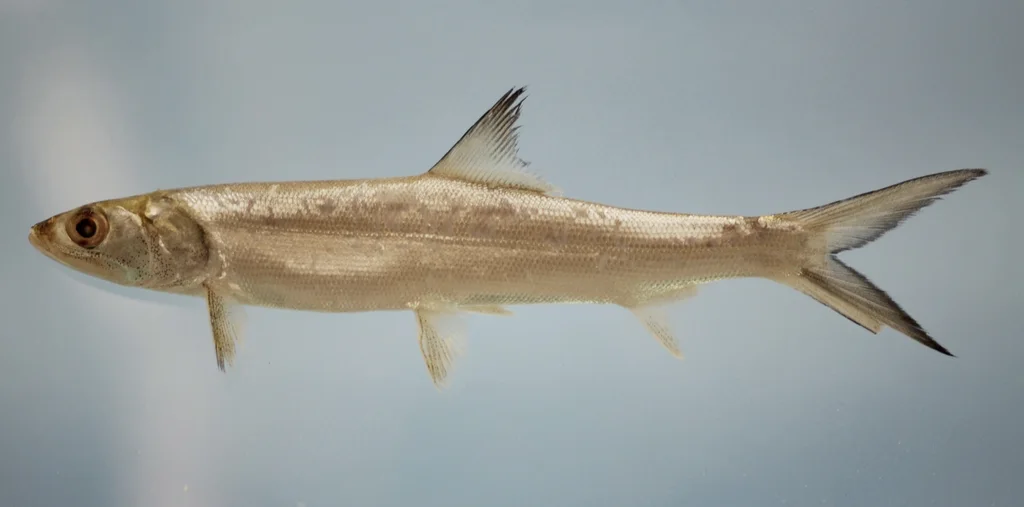
Identifying features
- Slender, silvery herring-like body with a blue-green back
- Deeply forked tail on a narrow tail base
- Large mouth at the front of a pointed head — not underslung like a bonefish
- Straight lateral line and small, fine scales giving a bright chrome flash
- Single soft dorsal fin set about mid-body, with no spines
Habits
- Travels in schools that roll and splash at the surface over flats and channels
- Feeds aggressively on shrimp and small baitfish, often in frenzied groups
- Leaps repeatedly when hooked — the mini-tarpon fight it is famous for
- Juveniles grow up in calm backwaters, mangroves and canals
- Spawns offshore; its ribbon-like larvae drift inshore like those of tarpon and bonefish
Distribution
Where to find them
- Florida mangrove shorelines, canals and flats edges on both coasts
- Texas and Louisiana bays, passes and jetties in warm months
- Georgia and Carolina estuaries and inlet mouths from spring to fall
Where they live
How to catch them
Casting spoons and jigs to rolling schools Shore
Rig: Light spinning rod with a small silver spoon, soft-plastic jig or small fly cast to rolling, feeding schools on flats and channel edges
Bait/lure: Small spoons, jigs and flies
Key tip: Retrieve fast with twitches — ladyfish are aggressive sight feeders, the classic 'poor man's tarpon' fun on light tackle.
Live shrimp under a float Shore
Rig: Light rod, popping cork or float with a live shrimp on a small hook, fished around mangroves and flats edges
Bait/lure: Live shrimp
Key tip: Set the hook gently and play them softly — ladyfish have soft mouths and throw hooks easily, especially when they jump.
Best baits & lures
Baseline setup
- Rod: Light 6.5-7.5 ft spinning rod
- Line: 8-15 lb braid or mono with 20-30 lb leader
- Terminal: Small spoons and 1/8-1/4 oz jigs, small hooks, popping corks
Recommended gear for this species
Rod · Best value
9' 5-weight fly rod outfit
≈ US$180-260
Covers chironomid lakes and small rivers with one setup.
Flies · Budget
Chironomid assortment (30 patterns)
≈ US$25-40
Chironomids are 60% of a lake rainbow's diet in spring.
Picks come from our rule library — never paid placements. Prices are guides; affiliate links may earn us a commission.
Typical size
Common 12-24 in (30-61 cm), 1-3 lb (0.5-1.4 kg); large fish to about 3 ft (91 cm) and several pounds more
On the table
Poor — soft, mushy and bony; almost always released or used fresh as cut bait.
Similar species
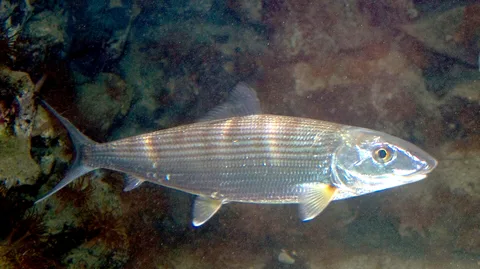 BonefishBonefish has a small mouth underneath a pointed, pig-like snout for bottom feeding and a deeper, less forked tail; ladyfish has a large front mouth, a deeply forked tail and feeds up in the water
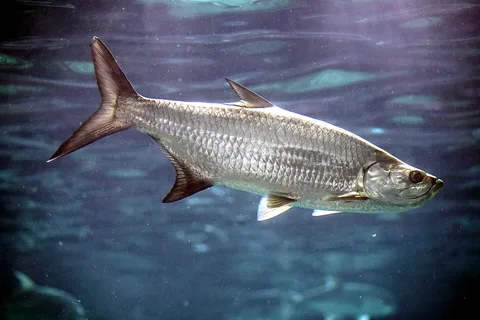 TarponTarpon grows many times larger with huge plate-like scales and a thread-like last dorsal ray; ladyfish is a small look-alike that rarely tops a few pounds
Regulations vary by area and can change in-season — always check the official rules for your area before you fish. Regulations guide →
Plan a trip for Ladyfish
Build today's plan