
Saltwater · Year-round off California; most common inshore and farthest north in summer and fall
Pacific Jack Mackerel
Trachurus symmetricus
A streamlined, schooling jack that roams the California Current in huge numbers. It is a separate species from the Chilean jack mackerel (Trachurus murphyi) of the South Pacific and the Atlantic jack mackerel (Trachurus trachurus). Pier anglers meet it in summer; offshore it is an important forage and commercial fish.
Seasons · Peak
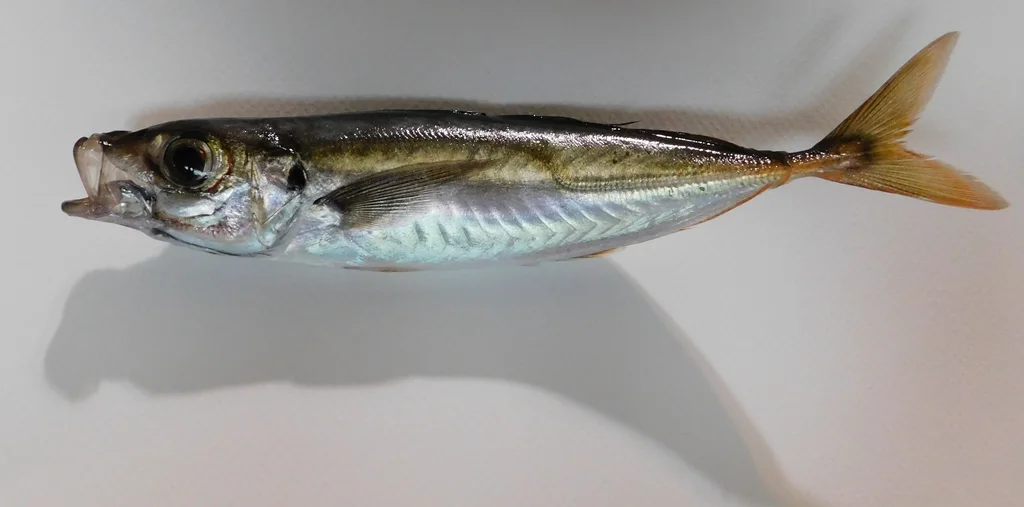
Identifying features
- Enlarged, hard scutes along the rear of the lateral line toward the tail — the key mark
- Plain greenish-blue back with no wavy dark bars
- Strongly forked tail on a narrow tail base
- Silvery sides, sometimes with a dark smudge behind the gill cover
- Long body with two well-separated dorsal fins
Habits
- Travels in large schools, often mixed with Pacific mackerel and sardines
- Feeds on krill, small fish, squid and other schooling prey
- Moves inshore and north in summer, farther offshore in winter
- Young fish gather under kelp paddies and around piers
- Numbers swell in warm-water years along the northern coast
Distribution
Where to find them
- Southern California piers and kelp lines in summer
- Offshore banks and bait schools off central California
- Oregon and Washington coast schools in warm years
Where they live
How to catch them
Sabiki rigs and small spoons from piers and boats Boat
Rig: Light spinning rod, sabiki rig or small silver spoon jigged through mid-water schools at piers, kelp lines and bait balls
Bait/lure: Bare tinsel sabiki hooks or tiny squid pieces
Key tip: Vary the retrieve depth — schools cruise anywhere from just under the surface to well down.
Trolling small feathers offshore Boat
Rig: Medium trolling outfit with small feathers or hoochies run behind the boat over offshore banks in warm-water years
Bait/lure: Small trolling feathers, sometimes sweetened with a strip bait
Key tip: Watch for birds and bait on the surface; jack mackerel schools push krill and anchovies up where terns find them.
Best baits & lures
Baseline setup
- Rod: Light to medium 7 ft spinning rod
- Line: 8-15 lb mono
- Terminal: Sabiki rigs, 1-2 oz spoons and jigs, small trolling feathers
Recommended gear for this species
Rod · Best value
9' 5-weight fly rod outfit
≈ US$180-260
Covers chironomid lakes and small rivers with one setup.
Flies · Budget
Chironomid assortment (30 patterns)
≈ US$25-40
Chironomids are 60% of a lake rainbow's diet in spring.
Picks come from our rule library — never paid placements. Prices are guides; affiliate links may earn us a commission.
Typical size
Common 12-18 in (30-46 cm); large fish to about 32 in (81 cm)
On the table
Good — oily and full-flavoured, best grilled, smoked or canned; also widely used as cut bait.
Similar species
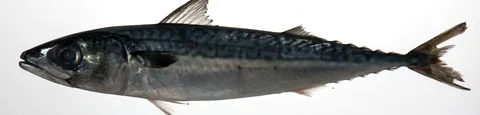 Pacific MackerelPacific mackerel wears wavy dark bars across its back and lacks enlarged scutes; jack mackerel has a plain greenish back and a ridge of hard scutes along the rear lateral line
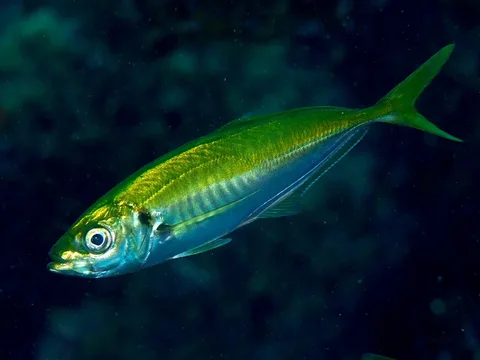 Japanese Jack MackerelJapanese jack mackerel is a northwest Pacific species that does not occur on the US West Coast; the Pacific species is the eastern Pacific fish with the same scuted tail-end lateral line
Regulations vary by area and can change in-season — always check the official rules for your area before you fish. Regulations guide →
Plan a trip for Pacific Jack Mackerel
Build today's plan