
Saltwater · Summer and early autumn in the estuaries
Thinlip Mullet
Chelon ramada
The mullet that hunts a lure: famous in British estuaries such as the Thames for taking a worm-baited spinner — behaviour almost no other mullet shows. It also runs far into fresh water in summer. On float-fished bread it is as shy as any mullet, but the slowly retrieved baited spinner awakens something in it that its cousins lack.
Seasons · Peak
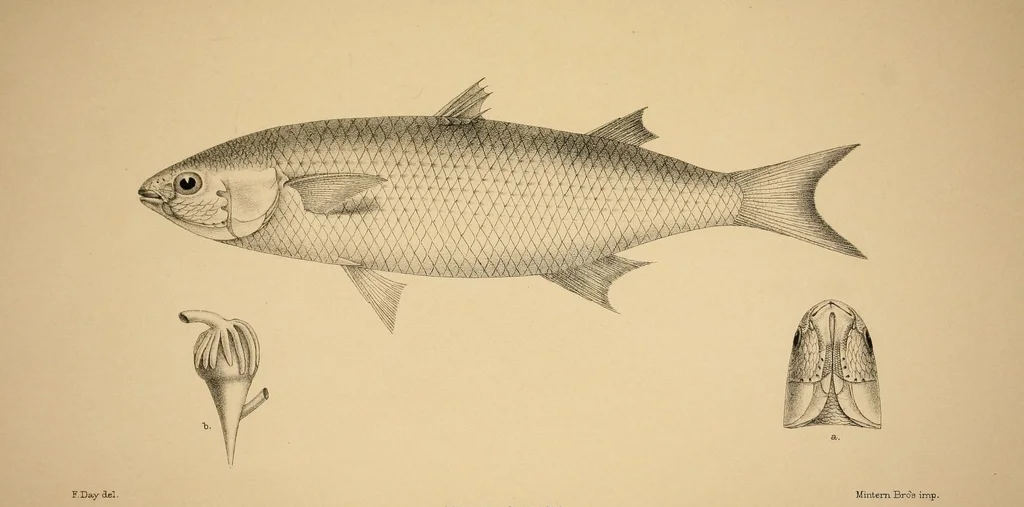
Identifying features
- Thin, smooth upper lip — clearly thinner than the thicklip's swollen lip
- A dark spot at the base of the pectoral fin — a useful separator
- No gold spot anywhere on the gill cover or cheek
- Streamlined silvery body with faint lengthwise stripes following the scale rows
- Two dorsal fins, the first with four spines, and a forked tail
Habits
- Famous in British estuaries such as the Thames for taking a baited spinner — almost alone among mullets
- Runs far into fresh water in summer, grazing in the lower river
- Grazes algae and detritus, but will follow and nip at a slowly retrieved baited spinner
- Schools in estuaries and harbours, wary and easily spooked in clear water
- Feeds best on the flood tide, dropping back with the ebb
Distribution
Where to find them
- Estuary channels on the flood tide, e.g. the Thames
- Harbour corners and marina pontoons
- River mouths and salt-marsh creeks
Where they live
How to catch them
Baited spinner in the estuary Shore
Rig: Small spinner or spoon with a short hooklink and hook, retrieved slowly and steadily through estuary channels and along quay walls
Bait/lure: A small harbour ragworm on a size 10-12 hook behind the blade
Key tip: Retrieve slowly and steadily — thinlips follow closely and nip; hold the speed and let them hook themselves.
Float fishing with bread and worm Shore
Rig: Long float rod with a small crystal waggler, fished near the surface in harbours and estuaries and fed sparingly with bread crumbs
Bait/lure: Bread flake or small maddie worms on size 12-14 hooks
Key tip: Fish the flood tide as the shoals push in, and stay low — they distrust any shadow on the bank.
Best baits & lures
Baseline setup
- Rod: Long, soft 11-13 ft float rod, plus a light spinning rod for the baited spinner
- Line: 4-6 lb mono with 3-4 lb hooklengths
- Terminal: Crystal wagglers, size 10-14 hooks, small spinners for baited rigs
Recommended gear for this species
Rod · Best value
9' 5-weight fly rod outfit
≈ US$180-260
Covers chironomid lakes and small rivers with one setup.
Flies · Budget
Chironomid assortment (30 patterns)
≈ US$25-40
Chironomids are 60% of a lake rainbow's diet in spring.
Picks come from our rule library — never paid placements. Prices are guides; affiliate links may earn us a commission.
Typical size
Common 12-16 in (30-40 cm); large fish to 27 in (70 cm)
On the table
Fair to good — can taste earthy from muddy estuaries; best from clean water, grilled or smoked.
Similar species
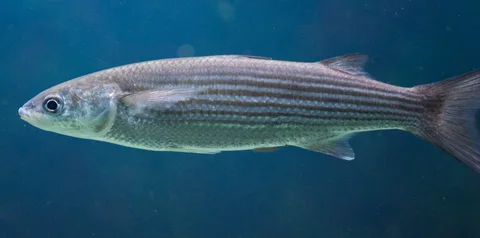 Thicklip Grey MulletThicklip grey mullet has a hugely thickened, warty upper lip and no dark spot at the pectoral-fin base; thinlip is slim with a smooth thin lip and its pectoral spot
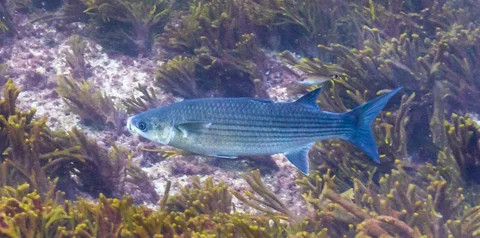 Golden Grey MulletGolden grey mullet carries a bright gold spot on the gill cover and another on the cheek; thinlip has no gold at all, but has the dark pectoral-fin spot
Regulations vary by area and can change in-season — always check the official rules for your area before you fish. Regulations guide →
Plan a trip for Thinlip Mullet
Build today's plan